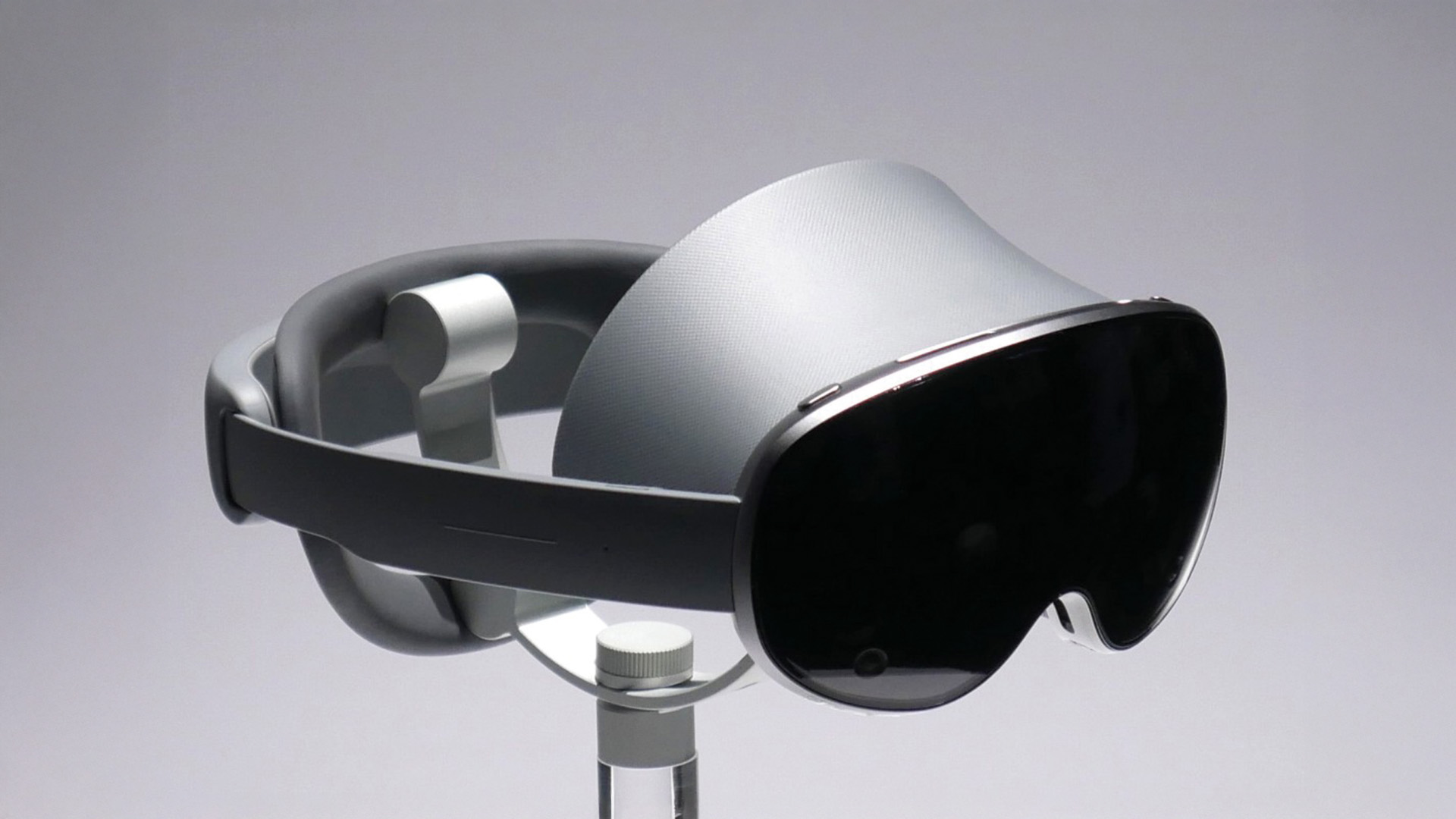
The tech world was holding its breath. After the release of the Apple Vision Pro, the ultra-premium segment was redefined. All eyes were fixed on one player: Samsung. The question was not if they would respond. It was how. Today, the answer is here. It’s called the Galaxy XR.
This isn’t just a new headset. It’s the fruit of a strategic alliance. Three giants are involved. It’s the first device born from the Android XR platform. Above all, it’s a machine designed for the AI era. Its launch price is $1,799. That’s almost half of its direct competitor. Samsung isn’t just looking to compete. The company is creating a new path.
A First Impression: Comfort Above All
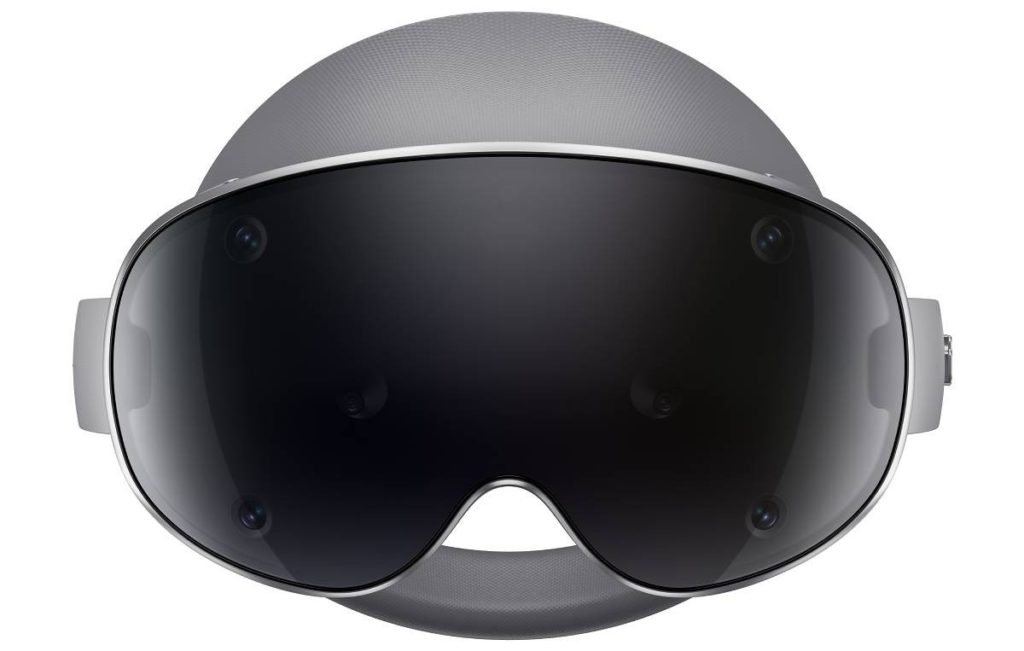
The first thing that strikes me is its weight. The Galaxy XR weighs only 545 grams. That’s significantly lighter than the Vision Pro. The latter exceeds 600 grams. The new M5 model even reaches 750 grams. Believe me, every gram counts. You feel it after just a few minutes. The initial feedback is unanimous. It’s one of the most comfortable high-end headsets.
Samsung made some very smart design choices. The rear strap has an adjustment dial. It distributes the weight across the forehead. It also does so on the back of the skull. This minimizes pressure on the face. It’s a proven approach.
The External Battery: Brilliant Flexibility
But the secret to this lightness is the battery. Samsung has offloaded it. Apple did the same. It weighs 302 grams. It connects via a cable. Samsung scores a point here. This cable is a simple, detachable USB-C. You can therefore unplug the battery. You can power the headset from another source. For example, from your PC. It’s so simple. But it’s brilliant in terms of flexibility.
What You See: Screens That Surpass Apple
Let’s move on to what makes this machine tick. Let’s start with the eyes. The Galaxy XR has two Micro-OLED screens. They display an impressive resolution. We’re talking 3552 by 3840 pixels per eye. Samsung announces 27 million pixels. That’s 4 million more than the Vision Pro. The pixel density is also higher. This promises an incredibly sharp image. You see no screen-door effect.
However, there is a trade-off. The refresh rate is 90 Hz maximum. The Vision Pro goes up to 120 Hz. This is a strategic choice. It helps control costs. Honestly, the difference is hard to perceive. Especially outside of ultra-competitive gaming. The field of view is very respectable. It reaches 109 degrees horizontally.
The Power: The Snapdragon Choice
A Qualcomm chip powers all this. It’s the Snapdragon XR2+ Gen 2. It’s a powerful chip. It can handle 4K rendering per eye. But let’s be clear. It’s not on the level of Apple’s M-series processors. This is the biggest technical compromise. It’s also what cuts the price in half. The chip is supported by 16 GB of RAM. That’s just like the Vision Pro. The device offers 256 GB of storage.
A Headset Packed with Sensors
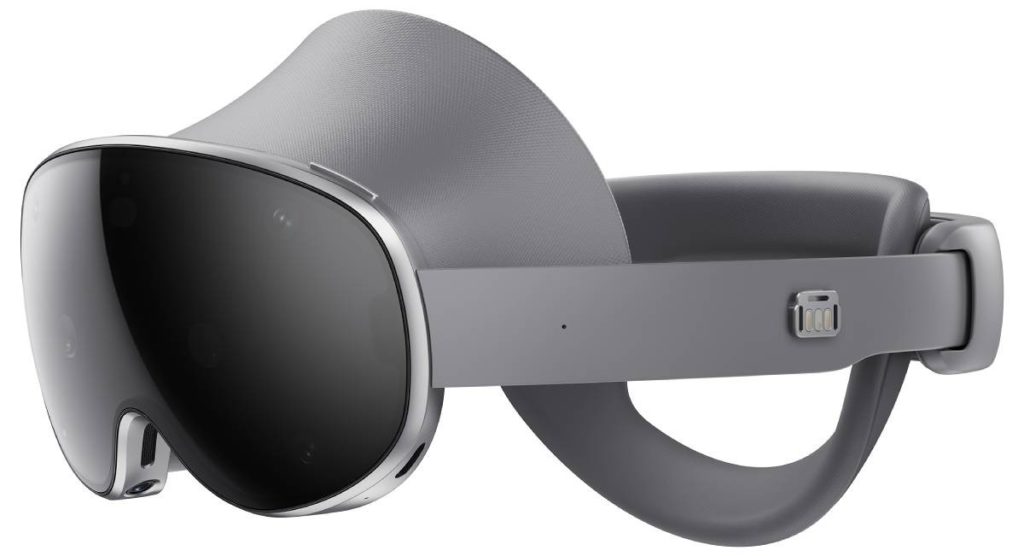
Finally, the headset is packed with sensors. There are 19 in total. We have high-resolution cameras. They handle the ‘pass-through’ view. Six cameras track movement. Four cameras track eyes. An iris scanner handles security. There’s even a 6.5 MP camera. It takes 3D photos and videos. The sound is also comprehensive. There’s a pair of two-way speakers. Six microphones ensure clear voice capture. The spatial audio is immersive.
The Real Revolution: Android XR
The hardware is one thing. But the real revolution is the software. Welcome to Android XR. It’s the first platform for the Gemini era. Its first advantage is colossal. All the Android apps on your phone work. They run natively on the headset. No need to wait for developers. You don’t wait for special versions. You have access to millions of apps. It’s available from day one.
Gemini: The AI That Sees What You See
But the real paradigm shift is Gemini. Google’s AI is not just a voice assistant. It’s integrated into the core of the system. It sees what you see. It hears what you say. It understands the context. Let me give you concrete examples.
Imagine. You’re looking at a plant in your living room. You draw a circle in the air. Gemini gives you its name. It gives you care instructions. This is spatial ‘Circle to Search’. You’re watching a match on YouTube. You ask for a player’s stats. Gemini is watching the video with you. It answers you in real time.
You open Google Photos. The AI takes your 2D photos. It transforms them into 3D memories. It adds depth. Some demos are mind-blowing. Gemini can colorize and animate old photos. It’s both amazing and unsettling.
Is your workspace a mess? Just say, “Hey Google, organize these windows.” Gemini arranges them neatly. That’s an ‘AI-native’ experience. AI is no longer a tool. It’s a partner that assists you constantly.
Apps and Games: The Launch Ecosystem
A new platform needs content. Samsung and Google understand this well. First, there’s the Google suite. It’s redesigned for XR. Google Maps in 3D is incredible. YouTube has its library of VR videos. Google Photos, Chrome, and Meet are there.
Streaming services are also on board. Netflix, HBO Max, and Crunchyroll are confirmed. Peacock is also announced. For creatives, there’s an exclusive. It’s Adobe’s Project Pulsar. It’s an immersive video editing app.
For games, the strategy is smart. The headset uses open standards. It relies on OpenXR and Unity. Developers can easily port their games. They come notably from the Meta Quest. We find popular titles. NFL Pro Era, Demeo, or Job Simulator. Arizona Sunshine 2 is also present. There are also two temporary exclusives. The puzzle game Enigmo. And a new experience from Owlchemy Labs. It’s called Inside.
Verdict: Smart Compromises
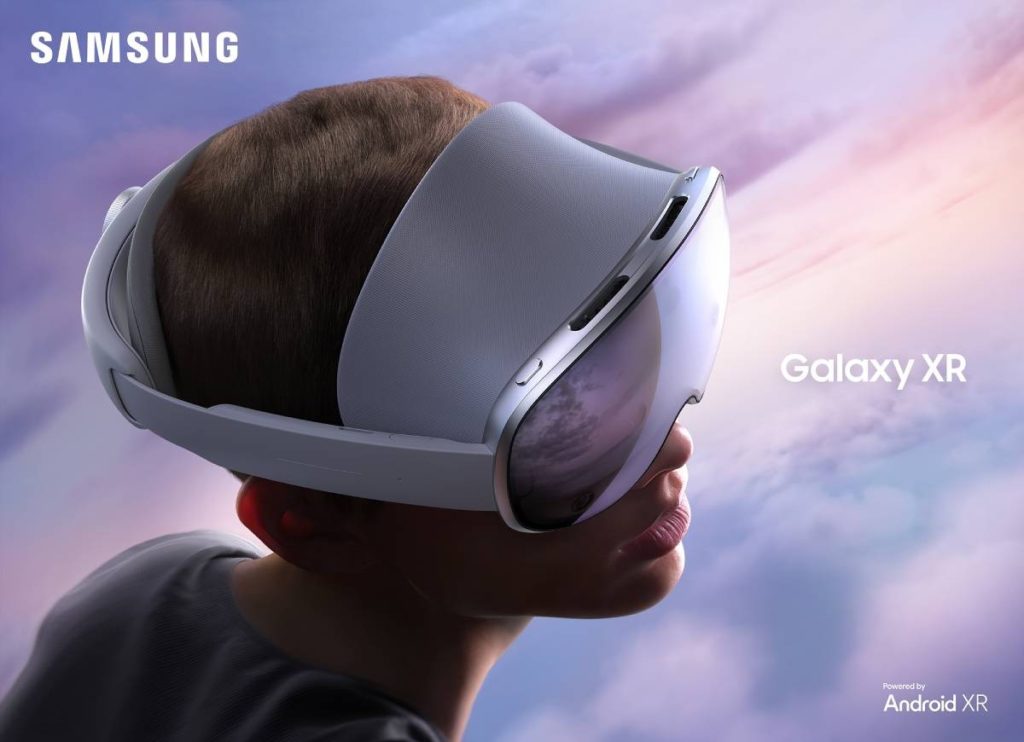
So, what’s the verdict? The Samsung Galaxy XR is a device of compromises. But they are very smart compromises. It sacrifices computing power. It does this to reach the $1,799 price. It doesn’t have the power of Apple’s chips.
Some reports note a slight lag. This was when moving windows. The eye-tracking is also said to be less responsive. It’s less fluid than on the Vision Pro. Another limitation is significant. The headset is designed for stationary use. You use it sitting or standing. You cannot walk around your house. You cannot use it while traveling.
But what it loses in power, it gains elsewhere. It wins on three essential fronts. First, the price. Almost half as expensive. That changes everything. Next, comfort. It’s much lighter. It’s pleasant to wear for long periods.
And above all, AI. The integration of Gemini is not a gimmick. It’s a new way of interacting. It could prove very useful in daily life.
Samsung is saying it clearly. This headset is just the first step. The long-term goal is AI glasses. Lightweight glasses to be worn all day. The Galaxy XR is the Trojan horse. It’s building the Android XR ecosystem. It needs to attract developers. It needs to get us used to this new computing.
The Galaxy XR is not a Vision Pro “killer.” It’s an alternative. A more accessible alternative. It’s more comfortable. It bets on software intelligence. It doesn’t rely on hardware power. It positions itself brilliantly. It’s between the Meta Quest 3 and the Vision Pro. This might be the right balance we’ve all been waiting for.