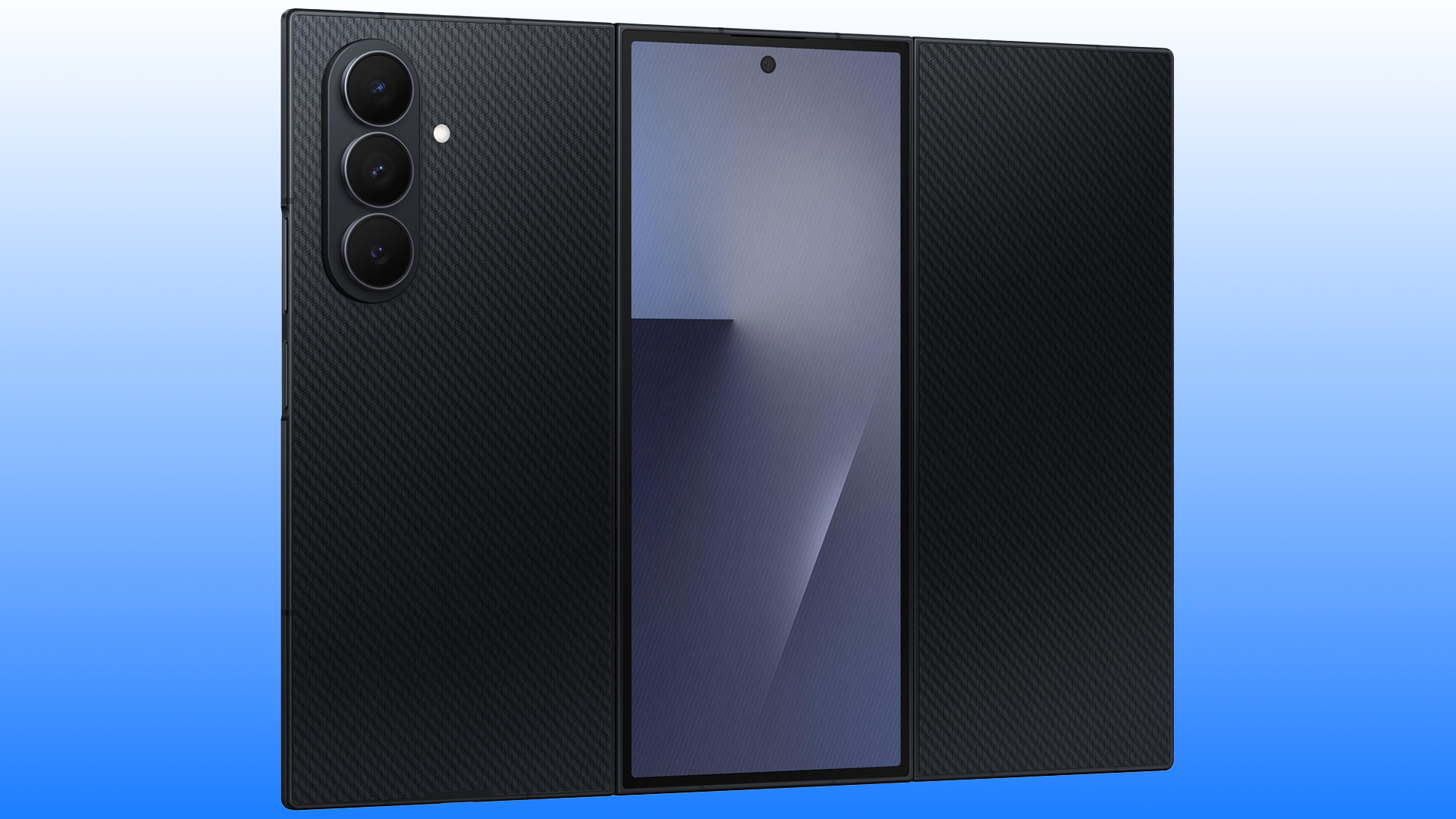
The mobile phone market evolves at a lightning speed. Manufacturers constantly seek to push the limits of innovation. Recently, a major response emerged against Chinese competition. Samsung officially unveiled a true technological bomb. It is the Samsung Galaxy Z TriFold. This is not a simple foldable phone. The device proposes a unique three-screen architecture. This announcement marks a decisive turning point in smartphone history. The Korean giant thus asserts its technical supremacy.
However, this innovation raises many legitimate questions. The product resembles a tablet as much as a phone. Its pricing places it in an ultra-premium category. The device costs the price of a used car. Therefore, we must analyze this product in depth. Who is the real target for this technological jewel? The following article decrypts the characteristics of this new monster of power.
A Bold Design and Record Thinness
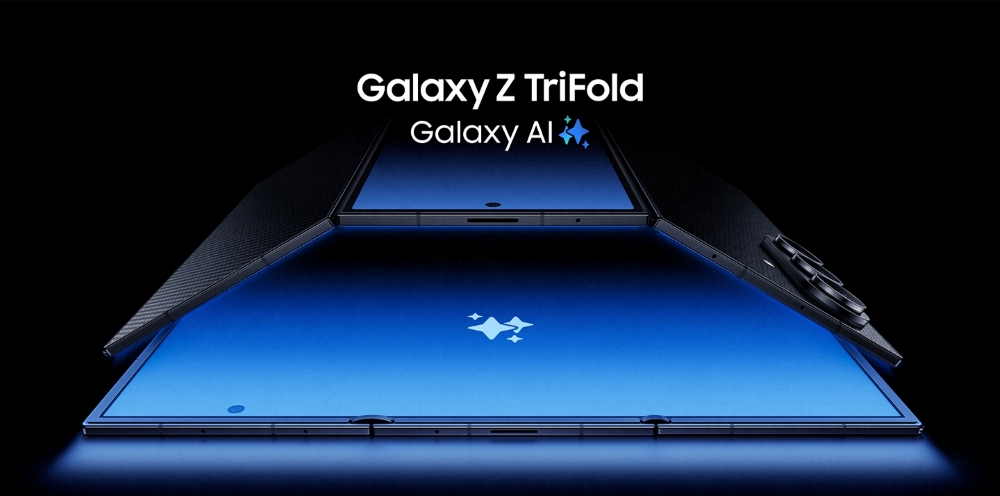
The figures announced by Samsung are dizzying. The manufacturer achieved a remarkable engineering feat. Once unfolded, the Samsung Galaxy Z TriFold measures only 3.9 mm in thickness. This extreme thinness impresses immediately. Even folded, the device remains surprisingly compact. It displays a total thickness of 12.9 mm. This barely corresponds to a classic smartphone equipped with a case. Handling it remains quite feasible daily.
Furthermore, the choice of hinges differentiates Samsung from its rivals. Huawei opted for a “Z” shape fold. Samsung prefers a different approach here with a “G” fold. Concretely, the two side panels fold inward. This technical decision is not insignificant. It protects the main screen during transport. The fragile panel does not rub against keys in a pocket. It is a smart strategy for durability.
Nevertheless, this configuration imposes a physical constraint. An additional screen must sit on top for closed usage. The user can thus use it as a standard phone. This layering of technology impacts the weight. The Samsung Galaxy Z TriFold weighs 309 grams. This is a substantial mass. The user will clearly feel the presence of this tech brick. It is the price to pay for having a tablet in your pocket.
The 10-Inch Screen of the Samsung Galaxy Z TriFold
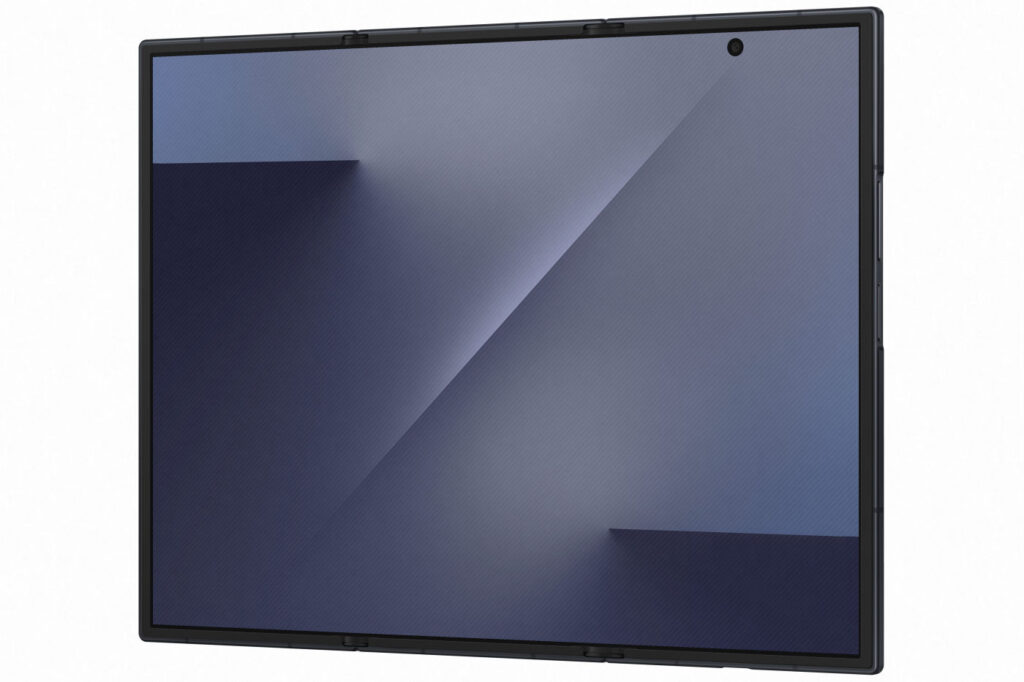
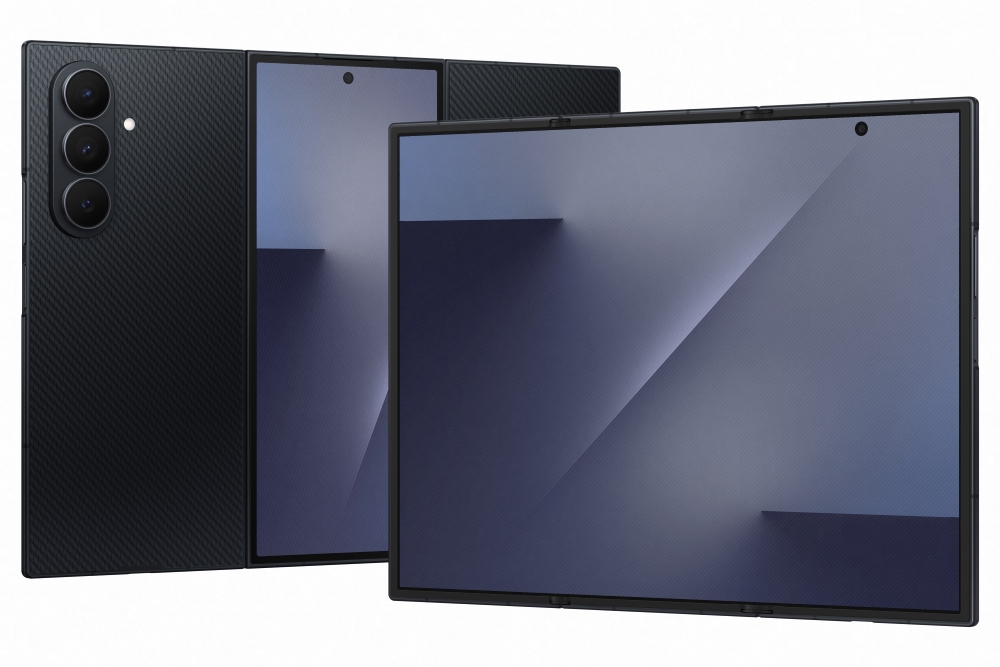
The main attraction obviously lies in the display. Once opened, the device offers an immense 10-inch diagonal. This is no longer a simple phone. It is a true mini-tablet, or even a small computer. The screen format also changes the game. Samsung abandons the square format of older Fold models. Here, the screen adopts a wide panoramic ratio. This format greatly favors multimedia content consumption.
Watching videos becomes an immersive experience. Working on Excel spreadsheets offers new visual comfort. Maximum brightness hits 1600 nits. This remains correct for outdoor use. However, a big disappointment awaits certain professionals. The S-Pen stylus is notably absent. Samsung confirmed this technical information. The screen does not support the necessary Wacom technology.
The reason seems purely physical. The extreme thinness of the panel prevents the integration of required sensors. Graphic designers and artists will therefore pass their turn. Drawing on this giant canvas remains impossible for now. It is a notable black mark for a productivity device. The lack of a stylus limits certain creative uses. Despite everything, the display quality remains breathtaking for entertainment.
Performance and Battery Under High Tension
Such a monster requires a powerful engine. Samsung makes no compromises on this point. The Snapdragon 8 Elite processor propels the machine. It comes with 16 GB of RAM. This raw power is indispensable. The system must manage three displays simultaneously without lag. Transitions between screens must remain fluid. On paper, performance promises to be colossal.
However, a major worry remains regarding energy. Powering a 10-inch screen demands many resources. Internal space is crucially lacking to house a giant battery. Samsung had to find a creative solution. The battery divides into three distinct pieces. Each panel contains an energy cell. The total reaches a capacity of 5600 mAh.
This figure may seem tight for such a device. Intensive use in unfolded mode will drain the battery fast. Lasting a full day looks difficult. The user will probably need to recharge the device before evening. Regarding charging, the speed climbs to 45 Watts. This is decent, but not exceptional. Other brands offer much faster charges. The Samsung Galaxy Z TriFold remains conservative on this specific point. Energy management will be crucial daily.
DeX Software: The Major Productivity Asset
Hardware does not do everything. Samsung bets heavily on the software side. This is where the high price finds its justification. The brand introduces “DeX Standalone” mode. The principle transforms smartphone usage. You simply place the device down and connect a keyboard. The Android interface then switches to a Windows-type desktop. The user finds their classic work habits.
The 10-inch screen then makes perfect sense. It is possible to display four different virtual desktops. Windows become floating and resizable. A salesperson can thus work from anywhere. A video editor can make quick edits. The phone literally replaces the laptop for light tasks. It is the ultimate promise of digital convergence.
However, reality will depend on app developers. Android must follow this hardware evolution. Some applications are not yet optimized for this format. The user experience must be perfect to convince professionals. If software follows, the Samsung Galaxy Z TriFold will become a formidable tool. The mobile office finally becomes a tangible reality. This feature clearly distinguishes this product from the competition.
Photography: 200 MP Sensor and Compromises
The photo section remains an essential buying criterion. Samsung integrates a high-flying main sensor. It is a 200-megapixel module. Pictures promise exceptional detail. Light management should be efficient. This is a reassuring point for a device of this price. The user has the right to expect excellence.
On the other hand, the optical zoom shows physical limits. The Samsung Galaxy Z TriFold offers only a 3x zoom. Lovers of long-range shots will be disappointed. The Galaxy S25 Ultra offers much more powerful zooms. The reason for this choice is purely geometric. There is not enough thickness for a complex periscope system. A 10x zoom module does not fit in 3.9 mm.
One must therefore accept this technological compromise. We gain a giant screen, but we lose long-distance photographic versatility. Overall quality will still remain excellent for daily use. Portraits and landscapes will benefit from the large sensor. Samsung’s software processing will compensate for certain weaknesses. But it is not the market’s ultimate cameraphone. It is primarily a versatile productivity tool.
Price and Availability of the Samsung Galaxy Z TriFold
The financial question inevitably hurts. This technological jewel is not for the general public. Samsung announced a two-step release. South Korea will enjoy the launch on December 12, 2025. Europe will have to wait longer. The French release is scheduled for the first quarter of 2026. A joint announcement with the Galaxy S26 is probable.
The announced price in Korea is around 2440 dollars. However, simple conversions do not work. We must add taxes and import fees. In Europe, the price could climb between 2800 and 3000 euros. This is a considerable sum. It represents several months of minimum wage. For this price, one can buy a powerful PC and a good phone.
The investment therefore requires serious reflection. This product targets a very specific niche. Wealthy technology enthusiasts are the primary target. Professionals with a specific need for mobility will follow. For 99% of consumers, this purchase remains unreasonable. The Samsung Galaxy Z TriFold is a showcase of Korean expertise. It shows the future, but at an exclusive price.
A Technological Showcase Above All
In summary, this new model makes an impression. Samsung proves its capacity to innovate massively. The Samsung Galaxy Z TriFold is an undeniable industrial feat. It combines thinness, power, and versatility. The idea of having a 10-inch tablet in the pocket is dreamy. The DeX mode could change our mobile working methods.
Yet, teething troubles persist. Autonomy remains a legitimate source of concern. The absence of the S-Pen limits creative potential. The device’s weight will not suit everyone. Finally, the astronomical price reserves it for an elite. It is a product for early adopters. Those who want to possess the future before everyone else.
The future will tell if this format takes hold. The classic foldable format still struggles to democratize totally. The three-panel format will have to prove itself over time. The strength of the hinges will be tested by users. Software relevance will be judged daily. For now, Samsung keeps a technological lead. The competition will have to react fast and strong.